On this page
Ask ten cat owners whether cats belong indoors or out and you may get ten different answers, often shaped by where they grew up. In some places, letting cats roam is the cultural norm. In much of the US, more and more cats live entirely indoors. Both camps love their cats and want what is best for them.
This guide doesn't aim to shame anyone. It lays out the risks and benefits as clearly as we can, explains what indoor cats need to thrive, and describes the options in between, which, for many households, turn out to be the sweet spot.
The short answer
Mainstream veterinary and animal welfare organizations in the US generally encourage keeping cats indoors, or giving them outdoor access only in a safe, contained or supervised way. The main reasons are safety and health: cats who roam freely face more risk of injury, disease and getting lost, and they can have a significant impact on local wildlife.
That recommendation comes with an important condition. An indoor life is only a good life if the cat's physical and mental needs are met. A bored, under-exercised indoor cat may become overweight, stressed or develop behavior problems. Indoor living works best when you put real effort into enrichment, play and environment, as described below.
Risks of unsupervised outdoor access
How risky the outdoors is depends a great deal on where you live: a quiet rural property is very different from a busy city street or an area with coyotes. Common risks include:
- Traffic. Cars are a major danger for free-roaming cats, especially at dawn, dusk and night.
- Predators and dogs. Depending on the region, coyotes, foxes, large birds of prey and loose dogs can kill or injure cats.
- Fights with other cats. Territorial fights cause wounds and abscesses, and bites can spread feline immunodeficiency virus (FIV).
- Infectious disease and parasites. Outdoor cats are more exposed to feline leukemia virus (FeLV), upper respiratory infections, fleas, ticks, intestinal worms and, in some areas, rabies.
- Poisons. Antifreeze, rodent poisons, slug bait, lawn chemicals and toxic plants such as lilies in a neighbor's garden are all hazards. See our guide to toxic plants and household dangers.
- Getting lost or trapped. Cats can get shut in garages, sheds and basements, or climb into vehicles.
- Weather. Extreme heat and cold are dangerous, and cats looking for warmth sometimes shelter in car engines.
- People. Sadly, not everyone is kind to cats, and some neighbors resent cats in their gardens.
Wildlife
Cats are skilled hunters, and well-fed pet cats still hunt. Free-roaming cats kill birds, small mammals, reptiles and amphibians, and conservation organizations consider them a significant threat to wildlife in many places. Keeping cats indoors or contained is one of the simplest ways cat owners can help protect local wildlife.
What indoor cats need to thrive
An indoor cat's world is only as interesting as we make it. Cats are built to hunt, climb, scratch, explore and patrol territory, and indoors they depend on us to make those things possible. Without enough stimulation, indoor cats are more prone to weight gain, boredom and stress-related problems, including some urinary conditions and behavior issues.
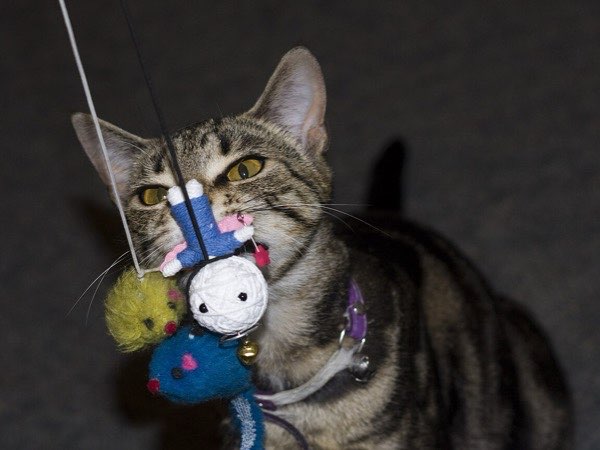
- Daily play. At least two active play sessions a day, using wand toys that let your cat stalk, chase, pounce and catch. Finish with a meal or treat.
- Foraging. Food puzzles and hidden portions of the daily ration let your cat work for food.
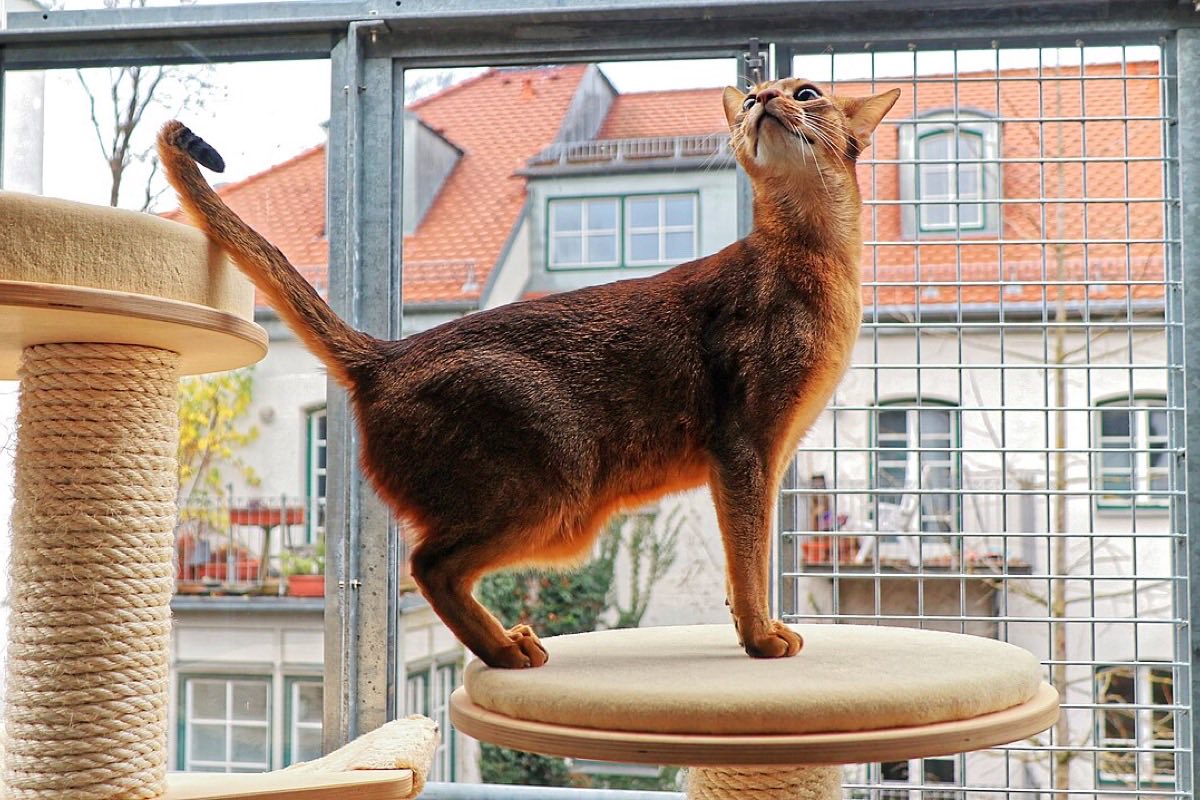
- Vertical space. Cat trees, shelves and window perches give cats height, a view and somewhere to retreat.
- Scratching. Tall, sturdy posts and horizontal scratchers in key locations.
- Window views. A perch overlooking a bird feeder can be a cat's favorite "television."
- Hiding places. Boxes, covered beds and quiet corners.
- Novelty. Rotate toys, bring in a cardboard box, offer cat grass, or try catnip or silvervine.
- Weight management. Measure food rather than free-feeding, and ask your vet about your cat's ideal weight.
- Clean, plentiful litter boxes. See our litter box guide.
Our behavior and enrichment guide covers play, scratching and stress in depth.
The middle ground: safe ways to go outside
Fresh air, sunshine, grass and the sounds and smells of the outdoors are genuinely enriching for cats. There are several ways to offer them safely.
Catios and enclosures
A "catio" is an enclosed outdoor space for cats, and it can be anything from a small box fitted to a window to a large screened porch or a walk-in enclosure in the yard. A good catio is fully enclosed (including the top), sturdy, escape-proof, offers shade and shelter, and includes perches, shelves and something to scratch. Access through a window or a cat flap from the house is ideal. Use only cat-safe plants in and around it, and keep a water bowl out in warm weather.
Cat-proof fencing
Some owners fit their yard with fencing systems designed to stop cats climbing out, usually with an inward-angled or rolling top. These work best on fences with no trees or structures nearby that a cat could use as a launch pad. They keep your cat in, but they don't keep other animals out, so supervision is still wise.
Harness and leash training
Many cats can learn to enjoy outdoor walks on a harness, though "walks" with cats are more about sniffing and exploring than covering distance. Patience is key:
- Choose a harness designed for cats, such as an H-style or a vest style. Never attach a leash to a collar; it can injure your cat's neck, and cats can slip out of collars.
- Leave the harness near your cat's bed so it smells familiar. Reward your cat for sniffing it.
- Put the harness on for a few seconds indoors, give treats, and take it off. Gradually lengthen the time over several days or weeks.
- Once your cat is relaxed walking around in the harness, attach a lightweight leash indoors and let them drag it under supervision, then practice holding it.
- Go outside to a quiet area, let your cat explore at their own pace, and keep the first trips short. Avoid busy, noisy places and areas where dogs are common.
Never tie a cat out and leave them alone, even briefly. A tethered cat can't escape a dog or other threat and can become tangled or strangled.
Supervised garden time
Some calm, home-loving cats do well with short, supervised time in a fenced yard. Stay with your cat, bring them in before dusk, and be aware that even a quiet cat can bolt if startled.
Strollers and backpacks
Pet strollers and ventilated cat backpacks let some confident cats enjoy outings safely enclosed. Introduce them gradually, as you would a carrier.
Microchips and ID, even for indoor cats
Indoor cats slip out more often than you might think: an open door during a delivery, a torn window screen, a move to a new home. Because they're unfamiliar with the outdoors, they can panic and hide.
- Microchip your cat and register the chip with your current contact details. Update it whenever you move or change your phone number.
- Consider a breakaway collar with an ID tag. Choose a collar with a safety release so it opens if caught, and check the fit regularly: you should be able to slip two fingers underneath.
- Keep a few recent, clear photos of your cat on your phone.
If your indoor cat gets out
- Search close to home first, slowly and quietly. Frightened indoor cats usually hide nearby: under decks, in bushes, under cars, in sheds.
- Search with a flashlight at dusk and after dark, when it's quieter and cats are more likely to move. A flashlight also catches the shine of their eyes.
- Call your cat softly and shake a treat bag, then wait. A scared cat may not come even to a familiar voice.
- Tell neighbors and ask them to check garages and sheds.
- Contact local shelters and animal control, post on local lost-pet groups, and put up flyers with a clear photo.
- Let your microchip registry know your cat is missing.
Moving an outdoor cat indoors
Many cats who have spent time outside adjust happily to indoor life, especially older cats and those who already spend most of their time inside. Some find the change harder. A gradual, thoughtful transition helps.
- Prepare the indoor environment first. Add perches, scratchers, hiding places, toys and extra litter boxes before you close the door.
- Use the times your cat usually goes out for play sessions and meals, so the urge to patrol is redirected rather than frustrated.
- Offer a window perch with a view, or a window box catio.
- Consider shrinking outdoor time gradually, for instance by keeping your cat in at night first, then extending indoor periods.
- Expect some protest. Meowing at doors and windows is common at first. Try not to reward it by occasionally giving in, which can prolong the habit. Redirect with play instead.
- Consider a pheromone diffuser. These may help some cats settle.
- Be patient. Adjustment can take weeks.
Some cats, particularly those used to roaming freely for years, never fully settle indoors. For them, a catio or secure garden can be a good compromise. If your cat seems persistently stressed, talk with your veterinarian.
If your cat does go outside
If outdoor access is right for your situation, you can reduce many of the risks.
- Keep vaccinations current, including rabies as required by local law, and discuss FeLV vaccination with your vet. Our health and vet care guide explains core and non-core vaccines.
- Use year-round parasite prevention recommended by your vet for cats, never a dog product.
- Spay or neuter. It reduces roaming, fighting and unwanted litters.
- Microchip and use a breakaway collar with ID.
- Keep your cat in at night and in bad weather. Many owners use mealtimes to bring cats in at a predictable hour.
- Check under the hood or tap the hood of your car before starting it in cold weather, and check garages and sheds before closing them.
- Keep outdoor chemicals secured, clean up antifreeze spills immediately, and choose cat-safe garden plants.
- Check your cat over regularly for wounds, swellings, ticks and fleas. Bite wounds often become abscesses a few days later.
Local rules vary
Laws and rules about cats differ widely between cities, counties and states. Some municipalities have cat licensing, leash or roaming rules, or limits on the number of pets per household. Rabies vaccination is required for cats in many areas. Homeowners' associations and rental agreements may have rules about pets outdoors or about building a catio. Check with your local animal services department if you aren't sure what applies where you live.
Making the decision for your cat
The right choice depends on your cat and your circumstances. Things to consider include:
- Where you live. Traffic, predators, neighbors and local wildlife all matter.
- Your cat's history and personality. A cat who has always lived indoors usually has no wish to roam. A former street cat may find full-time indoor life harder.
- Health. Cats with FIV are generally best kept indoors, both for their own health and to avoid spreading the virus to other cats. Cats with chronic conditions, poor vision or hearing, or reduced mobility are safer inside. Declawed cats should never be outside unsupervised, as they can't defend themselves or climb to escape.
- Age. Kittens and senior cats are especially vulnerable outdoors.
- What you can offer indoors. Be honest about how much time you can spend on play and enrichment.
If you're unsure, talk it through with your veterinarian, who knows your cat and the local risks.
Key takeaways
- Most US veterinary and welfare organizations encourage indoor living or safe, contained outdoor access.
- Free-roaming cats face traffic, predators, fights, disease, poisons and getting lost, and they hunt wildlife.
- Indoor cats need daily play, foraging, vertical space, scratching, views and novelty to stay healthy and happy.
- Catios, cat-proof fencing, harness training and supervised outdoor time offer fresh air with far less risk.
- Microchip every cat, including indoor-only cats, and keep the registration up to date.
- Move outdoor cats indoors gradually, with plenty of enrichment and patience.
- Local laws vary, so check what applies where you live.