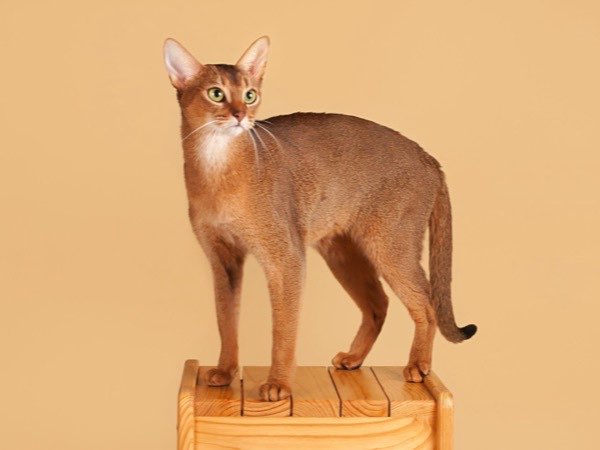
Abyssinian
An elegant, ticked-coat athlete with a curious, busy mind. Affectionate, playful and happiest when involved in everything.
Cat breeds
Fifteen breed profiles covering where each breed comes from, what they are like to live with, their grooming and exercise needs, and the health problems worth knowing about before you commit. We have included the humble domestic shorthair, because most of the world's happiest cats have no pedigree at all.
An elegant, ticked-coat athlete with a curious, busy mind. Affectionate, playful and happiest when involved in everything.
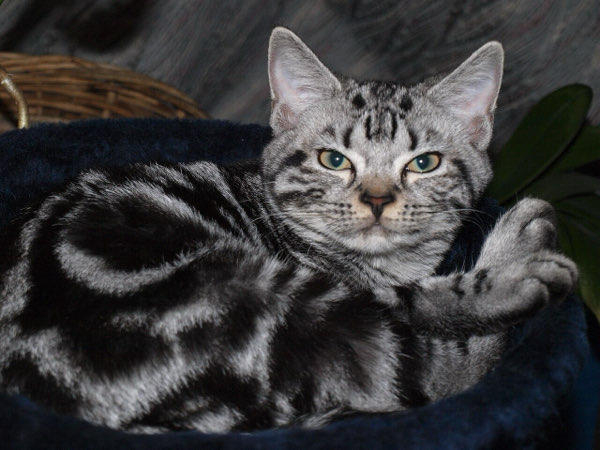
A sturdy, easygoing pedigree descended from America's working cats. Adaptable, affectionate and low-maintenance.
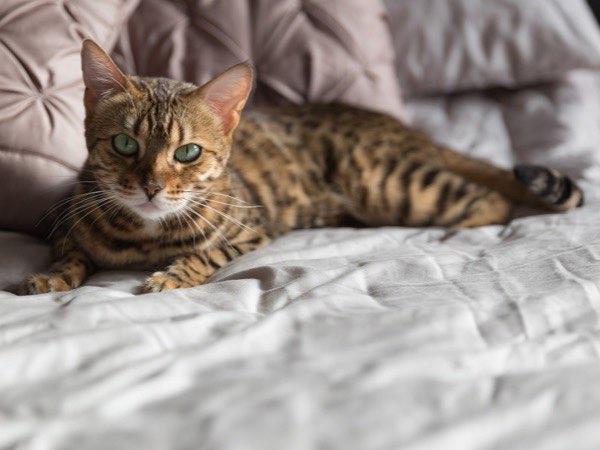
A muscular, spotted or marbled athlete with a love of climbing and water. Brilliant, busy and demanding of time and play.
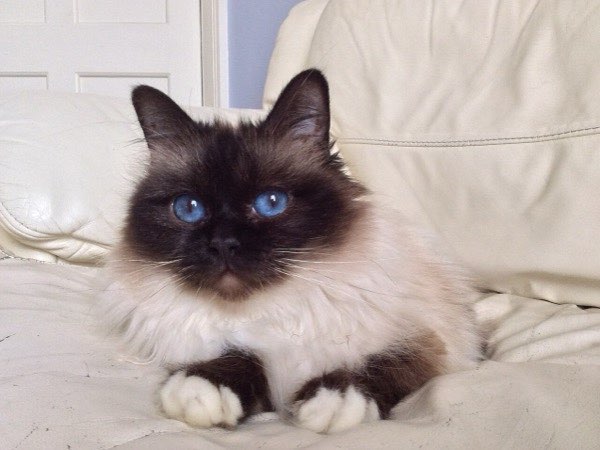
A gentle, blue-eyed pointed cat with white-gloved paws and a silky coat that rarely mats. Sociable and easygoing.
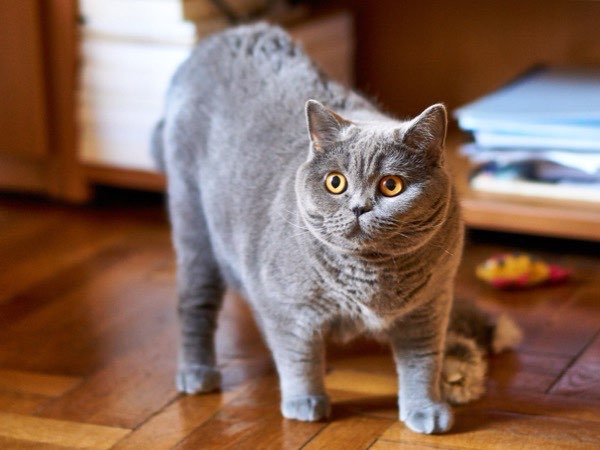
A sturdy, round-faced cat with a dense, plush coat. Calm, undemanding and affectionate, but rarely a fan of being carried.
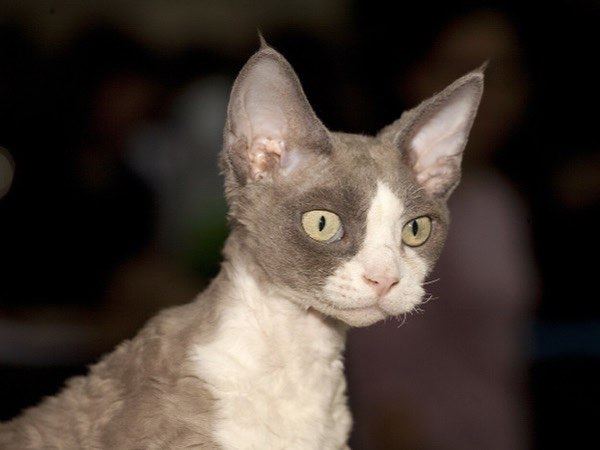
A playful, pixie-faced cat with a soft, wavy coat and huge ears. Affectionate, clownish and loves warm laps and shoulders.
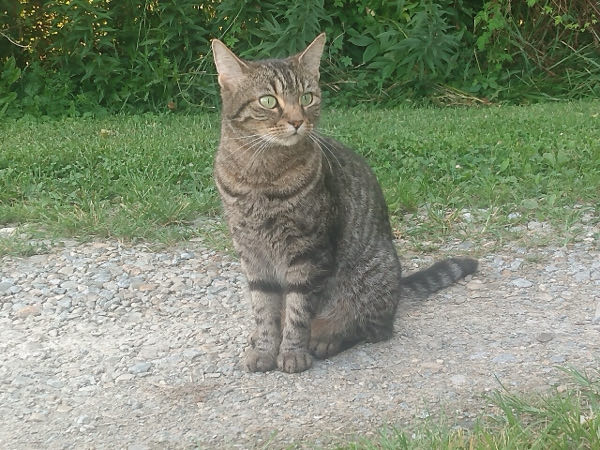
The mixed-ancestry cat that fills shelters and homes everywhere. Endlessly varied, often robust and wonderful to adopt.
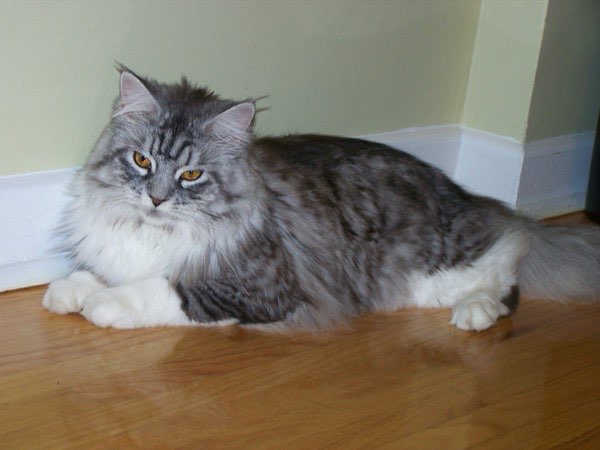
A large, sociable longhair with a water-resistant coat, a chirping voice and a famously gentle, people-loving nature.
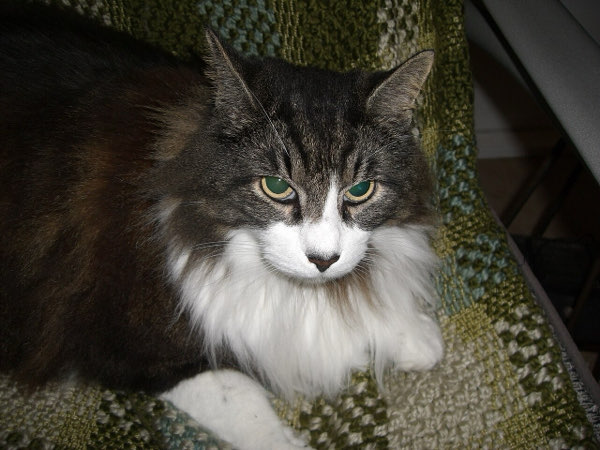
A large, sturdy longhair with a waterproof double coat and a love of heights. Friendly, calm and independent.
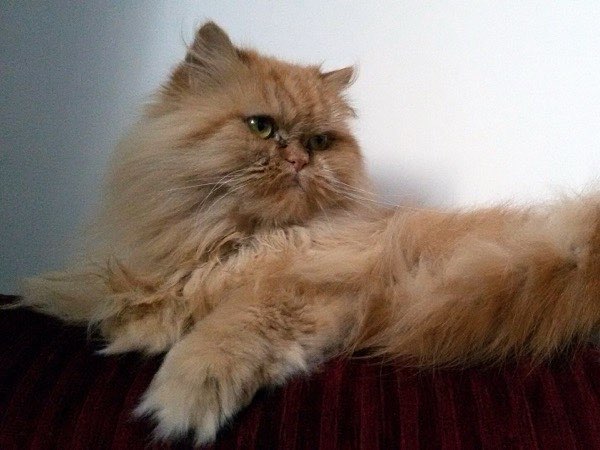
A calm, gentle longhair with a luxurious coat that needs daily care. Flat-faced lines need extra attention to breathing and eyes.
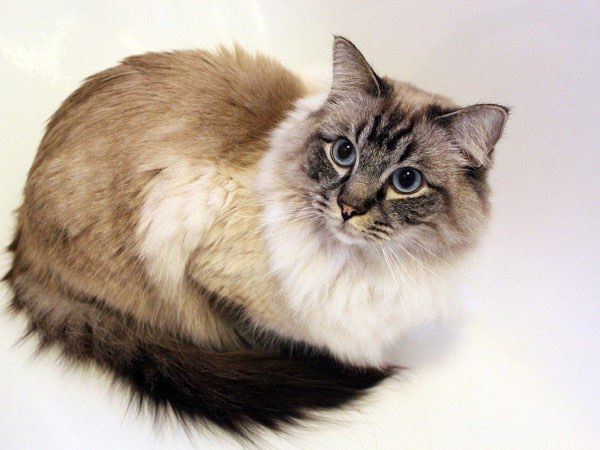
A large, blue-eyed pointed cat with a silky coat and a relaxed, affectionate nature. Often follows its people around.
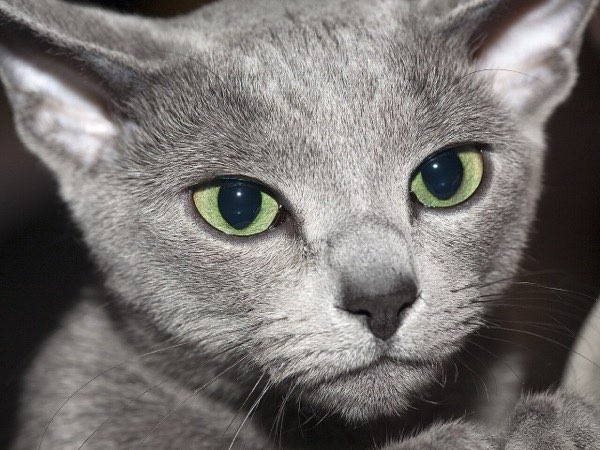
A graceful, green-eyed cat with a plush, silver-tipped blue coat. Gentle, quiet and loyal, often reserved with strangers.
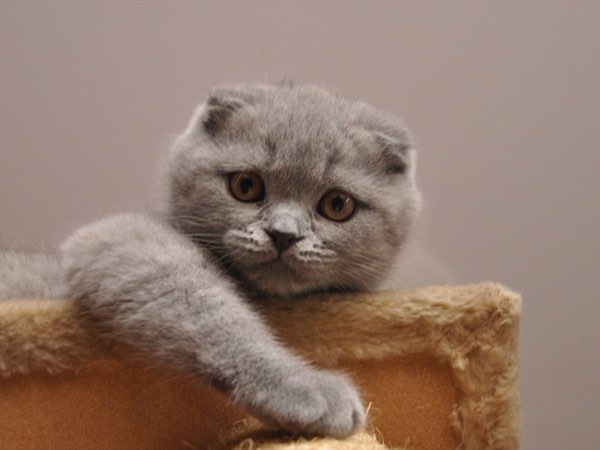
A sweet, round-faced cat whose folded ears come from a cartilage mutation that causes lifelong joint disease. Read before you buy.
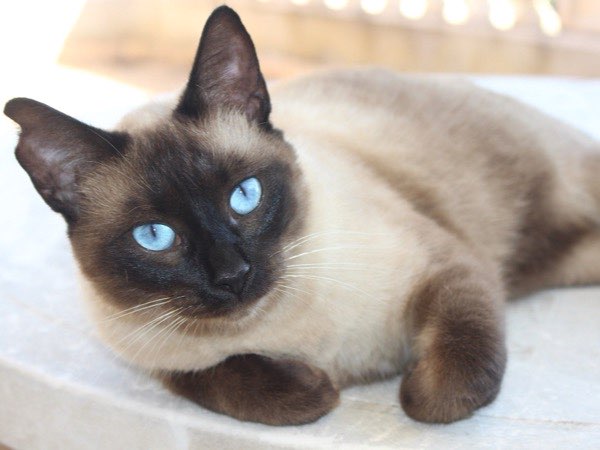
A slender, blue-eyed colorpoint with a loud voice and a deep need for company. Social, clever and never boring.
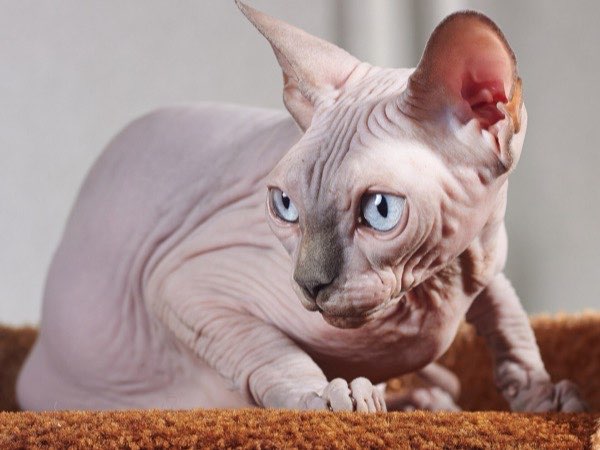
A hairless, heat-seeking extrovert that loves people. Needs regular bathing, warmth and heart screening.
A quick comparison. Individual cats vary, and temperament depends as much on early socialization as on genes.
| Breed | Origin | Size | Grooming | Activity |
|---|---|---|---|---|
| Abyssinian | Uncertain; developed largely in Britain | Medium; lean and muscular | Low | High |
| American Shorthair | United States | Medium to large; muscular and well-balanced | Low | Moderate |
| Bengal | United States; from crosses with the Asian leopard cat | Medium to large; muscular | Low | High |
| Birman | Developed in France, 1920s; legend links it to Burma (Myanmar) | Medium to large; stocky | Moderate | Moderate |
| British Shorthair | Great Britain | Medium to large; stocky and heavily boned | Low | Low |
| Devon Rex | England (Devon), 1960 | Small to medium; slender | Low to moderate (gentle care) | High |
| Domestic Shorthair | Worldwide; mixed ancestry | Varies; usually medium | Low | Varies by individual |
| Maine Coon | United States (Maine) | Large; slow to mature | Moderate | Moderate |
| Norwegian Forest Cat | Norway | Large; slow to mature | Moderate (high in shedding season) | Moderate |
| Persian | Persia (Iran) and the surrounding region; developed largely in Britain | Medium; stocky and short-legged | High | Low |
| Ragdoll | United States (California), 1960s | Large; slow to mature | Moderate | Low to moderate |
| Russian Blue | Northern Russia (traditionally the Arkhangelsk region); developed in Britain | Medium; fine-boned and graceful | Low | Moderate |
| Scottish Fold | Scotland, 1960s | Medium; rounded and sturdy | Low (shorthair) to moderate (longhair) | Low to moderate, often limited by joint pain |
| Siamese | Thailand (formerly Siam) | Medium; long and slender | Low | High |
| Sphynx | Canada (Toronto), 1960s | Medium; muscular with a rounded belly | High (skin care) | High |
A breed can tell you roughly what to expect in coat, size and energy, but it is not a personality guarantee. Before you fall for a look, think about the everyday reality: how much grooming you will genuinely do, how much noise and activity suits your home, and what your budget can absorb if a breed-related health problem turns up.
Shelters and rescues care for cats of every age and temperament, including pedigreed cats whose owners could no longer keep them. Many breeds also have dedicated breed rescues. Adult cats have the added advantage that their personality is already known, so staff can help you find a good match.
Some looks come with built-in health costs. Very flat faces can mean breathing, eye and dental problems, and folded ears are caused by a cartilage mutation that affects the whole skeleton. We explain these honestly in the Persian and Scottish Fold profiles. A healthy cat with a moderate build will almost always have an easier life.