Domestic Shorthair (the Moggy) at a glance
- Origin
- Worldwide; mixed ancestry
- Size
- Varies; usually medium
- Typical weight
- Varies widely; many adults are about 8–12 lb
- Coat
- Short; texture varies
- Colors
- Every color and pattern, including tabby, black, tuxedo, tortoiseshell and calico
- Life expectancy
- Varies; many live into their mid-to-late teens with good care
- Grooming needs
- Low
- Activity level
- Varies by individual
On this page
Origin and history
If you've adopted a cat from a shelter, there's a good chance the paperwork says "DSH," short for domestic shorthair. It's not a breed. It's a description used by shelters and veterinarians for a cat with short fur and mixed or unknown ancestry. There are also domestic mediumhairs (DMH) and domestic longhairs (DLH). In the UK and elsewhere, these cats are affectionately called "moggies."
Domestic shorthairs are, by a wide margin, the most common cats in the world. Their history is the history of the domestic cat itself: wildcats that began living alongside early farming communities in the Near East thousands of years ago, drawn by rodents around stored grain, and later spread across the world with traders, sailors and settlers. Most pedigree breeds were developed from these everyday cats, and their gene pool remains vast and varied.
Appearance
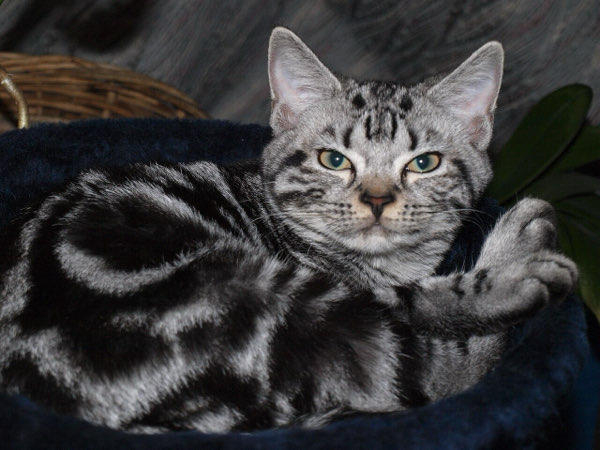
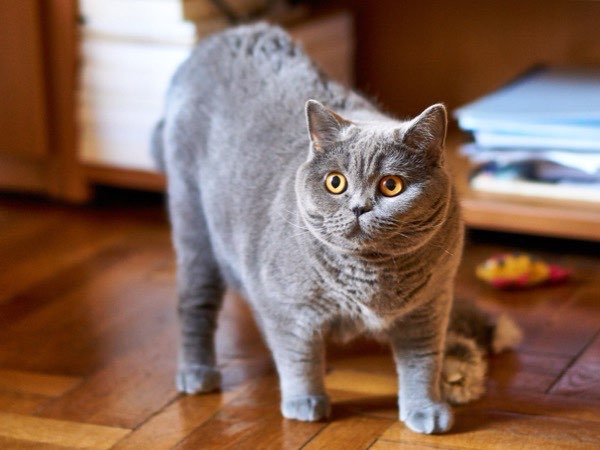
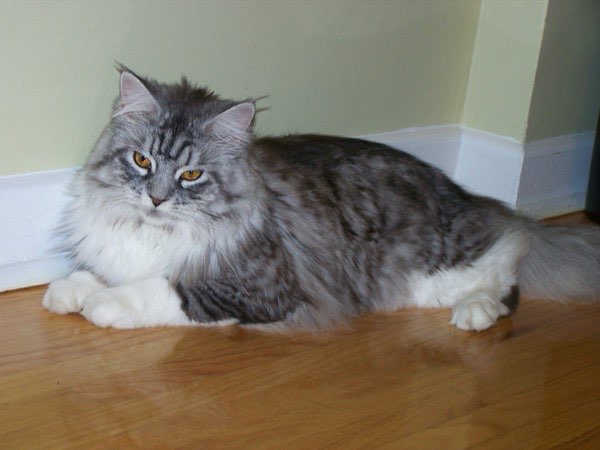
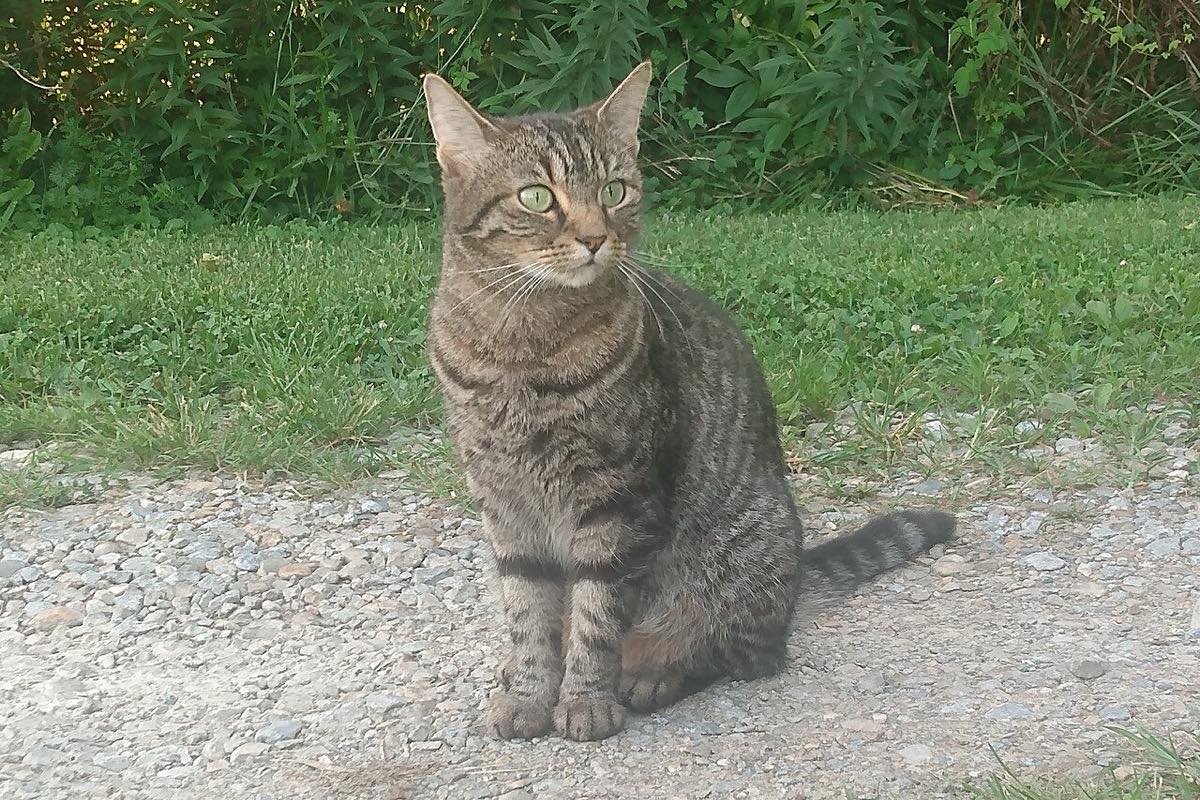
There's no standard look for a domestic shorthair, which is half the fun. They may be small and fine-boned or big and brawny, with round faces or long ones, and short coats ranging from sleek and silky to thick and plush. Eye color can be green, gold, copper, hazel or, in some cats, blue or odd-eyed.
Coat colors and patterns cover the full range:
- Tabby, the most common pattern, in striped (mackerel), swirled (classic), spotted or ticked forms, in brown, gray, orange and more. Most tabbies have an "M" marking on the forehead.
- Solid colors, such as black, gray (blue) or white.
- Bicolor, including "tuxedo" cats in black and white.
- Tortoiseshell and calico, which are almost always female, because the genes for orange and black coat color are carried on the X chromosome.
- Orange (ginger) cats, which are more often male, for the same genetic reason.
- Colorpoint cats, which may have some Siamese-type ancestry.
A shelter may describe a cat as a breed "mix," such as a "Siamese mix," based on appearance. Those labels are educated guesses; only a DNA test can tell you much about ancestry, and even then, it won't predict personality.
Temperament
Because domestic shorthairs aren't bred for particular traits, their personalities vary enormously, from bold, chatty and playful to shy, quiet and cuddly. Temperament is shaped by genetics, early socialization (especially in the first two months of life), past experiences and the home they live in.
This is one of the great advantages of adopting an adult cat: what you see is largely what you get. Shelter and rescue staff and foster carers often know a cat's personality well and can tell you whether it gets along with children, dogs or other cats. If you want a playful companion for an active family or a calm lap cat for a quiet apartment, ask the staff to help match you.
Care needs
Domestic shorthairs need the same good basic care as any cat:
- Good food and fresh water. A complete and balanced diet appropriate for life stage, with portions adjusted to keep your cat lean. See our feeding guide.
- A clean litter box setup, ideally one box per cat plus one. See our litter box guide.
- Grooming. A weekly brush, regular nail trims and, ideally, daily toothbrushing. See grooming.
- Play and enrichment every day, plus scratching posts and places to climb and hide. See behavior and enrichment.
- Preventive veterinary care: vaccines, parasite control, spay or neuter, microchipping and regular checkups.
Health considerations
A large, diverse gene pool means domestic shorthairs are less likely than some pedigree breeds to inherit specific breed-related conditions. That doesn't make them immune to illness. Common health issues in cats generally include:
- Dental disease, very common in adult cats.
- Obesity, which raises the risk of diabetes and arthritis.
- Lower urinary tract disease, including cystitis and, in males, life-threatening urethral blockages.
- Hypertrophic cardiomyopathy (HCM), which occurs in mixed-breed cats as well as pedigrees.
- Chronic kidney disease, hyperthyroidism and arthritis in older cats.
Regular checkups, twice yearly for seniors, help catch problems early. See our guides to health and vet care and senior cats.
Who the domestic shorthair suits
Pretty much everyone. Because they vary so much, there's a domestic shorthair to suit almost any home, from busy families to quiet retirees, first-time owners to seasoned cat people. Choose based on the individual cat's personality, age and energy level rather than looks.
Shelters and rescues have domestic shorthairs of every age, many already spayed or neutered, vaccinated and microchipped. Adult and senior cats in particular are often overlooked and make wonderful, settled companions. If you're thinking about a new cat, start there; our guide to bringing a new cat home and our new cat checklist will help you get ready.