American Shorthair at a glance
- Origin
- United States
- Size
- Medium to large; muscular and well-balanced
- Typical weight
- About 6–12 lb for females, 11–15 lb for males
- Coat
- Short, thick and dense, with a hard texture
- Colors
- Many colors and patterns; silver classic tabby is iconic
- Life expectancy
- Commonly 15 years or more
- Grooming needs
- Low
- Activity level
- Moderate
On this page
Origin and history
The American Shorthair's ancestors were the working cats that arrived in North America with European settlers, kept on ships and farms to control rats and mice. Over generations, cats that thrived as hunters in the varied North American climate became sturdy, healthy and practical.
In the early twentieth century, cat fanciers began selectively breeding the best of these native shorthaired cats to preserve their type, and the breed was among the first recognized by the Cat Fanciers' Association. For decades it was known as the Domestic Shorthair. In 1966 it was renamed the American Shorthair, partly to distinguish the pedigree breed from the everyday, mixed-breed cats that are still called domestic shorthairs. (If your shelter cat's paperwork says "DSH," that's a description, not a breed; see our domestic shorthair profile.)
Appearance
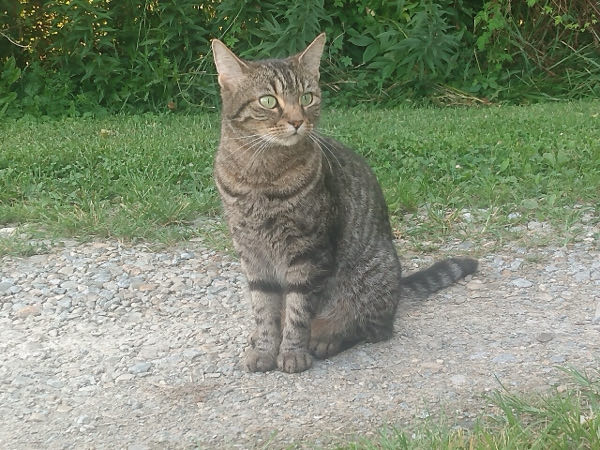
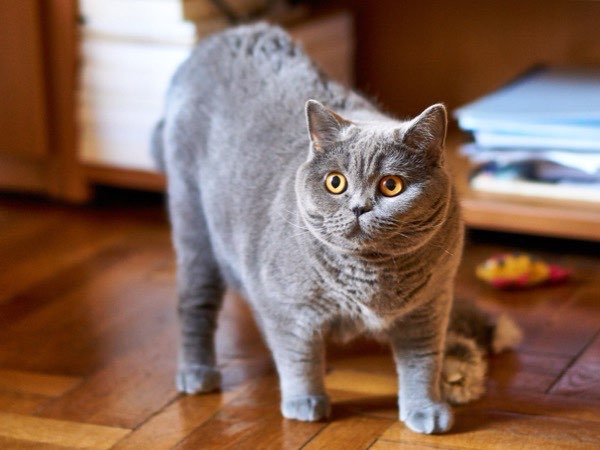
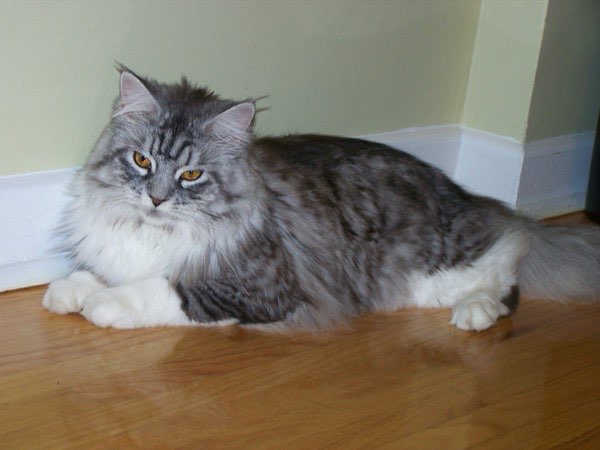
The American Shorthair is a medium to large, well-balanced, muscular cat with a powerful build, a broad chest, medium-length legs and a tail of medium length that tapers to a blunt tip. The head is large, with full cheeks, a square muzzle, a firm chin and medium-sized ears with rounded tips. The eyes are large, wide-set and slightly almond-shaped; their color depends on coat color.
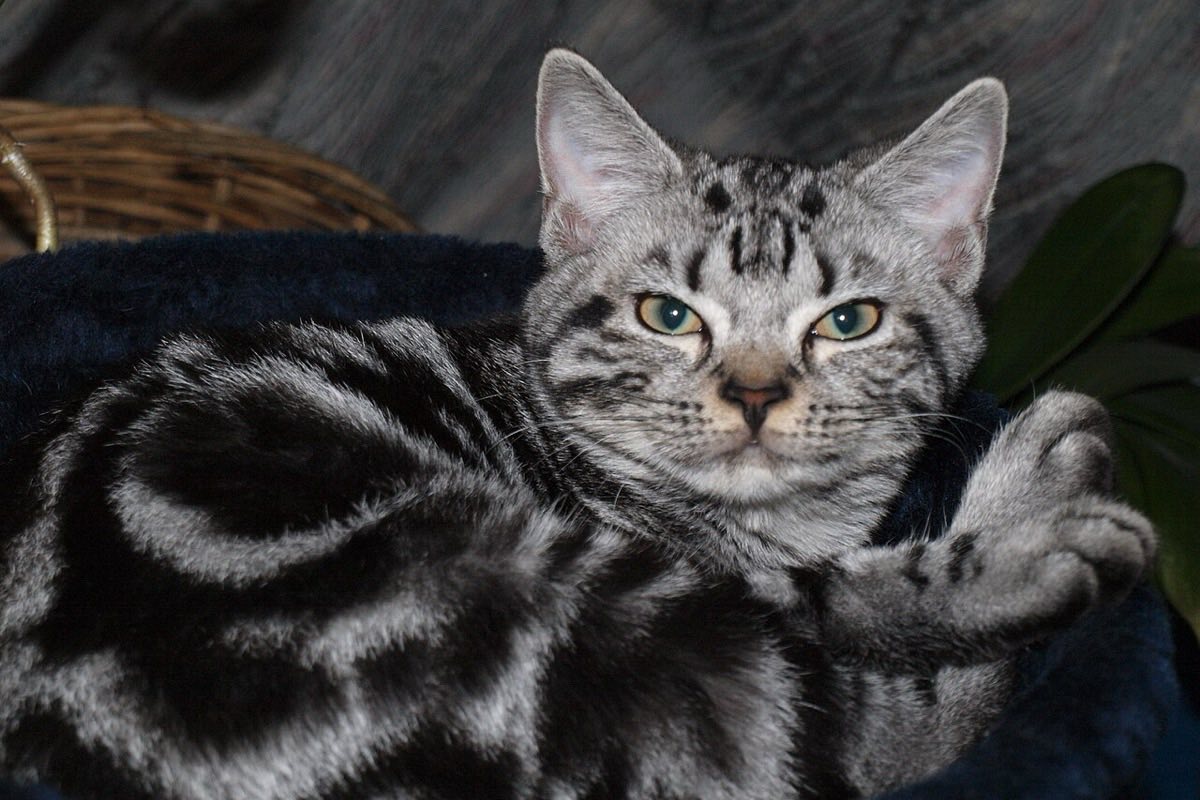
The coat is short, thick, even and hard in texture, offering protection from cold and moisture, and it thickens in winter. Many colors and patterns are accepted. The silver classic tabby, with bold black swirls on a silver background, is the breed's best-known look.
American Shorthairs mature slowly, often taking three or four years to reach their full size. Males are noticeably larger than females.
Temperament
The American Shorthair is known for being even-tempered, adaptable and easy to live with. Most are affectionate and enjoy their people's company without being clingy or demanding, and many are happy to sit beside you rather than always on your lap. They are usually playful, especially when young, and retain the hunting instincts of their ancestors, so toys that move like prey are a hit.
They tend to get along well with considerate children, other cats and cat-friendly dogs, and adapt well to apartments as well as houses. Many tolerate the workday alone better than very people-focused breeds, although they still need daily attention and play. Their voices are typically quiet. As always, early socialization and individual personality matter.
Care needs
Grooming. The short, dense coat needs a weekly brush with a rubber mitt or fine-toothed comb, and a little more during seasonal shedding.
Play and hunting games. Wand toys, mouse-sized toys and food puzzles that let your cat stalk, chase and "catch" satisfy natural instincts. Because American Shorthairs can be relaxed indoors, regular play is important for keeping them fit. See our guide to behavior and enrichment.
Weight management. American Shorthairs love food and are prone to weight gain, which raises the risk of diabetes and arthritis. Measure meals, limit treats and ask your veterinarian to assess body condition at each visit. See our feeding guide.
Indoor life and wildlife. With strong hunting instincts, these cats can do real damage to birds and small wildlife. Keeping them indoors, with a catio or harness walks for outdoor time, protects them and the local wildlife. See indoor versus outdoor.
Health considerations
American Shorthairs are generally considered a healthy, long-lived breed with a relatively diverse gene pool. Points to be aware of include:
- Hypertrophic cardiomyopathy (HCM). Heart muscle thickening, which occurs in many breeds and in mixed-breed cats. Responsible breeders may screen breeding cats by echocardiogram.
- Obesity and the conditions it contributes to, including diabetes and arthritis.
- Dental disease, common in cats of all breeds as they age.
- Age-related conditions such as chronic kidney disease and hyperthyroidism, which are common in senior cats generally.
Ask breeders about the health of the parents, and plan for annual checkups, moving to twice-yearly visits once your cat is a senior. See our guides to health and vet care and senior cats.
Who the American Shorthair suits
The American Shorthair is a great all-around companion. It suits first-time cat owners, families with considerate children, multi-pet homes, apartments and people who work regular hours. If you want an affectionate, adaptable, low-maintenance cat that's sociable without being demanding, it's an excellent choice.
It may be less suited to someone looking for a highly vocal, intensely interactive cat or a dedicated lap cat. And if you love the look and temperament but don't need a pedigree, your local shelter is full of wonderful domestic shorthairs with similar qualities.