On this page
With good food, indoor living and modern veterinary care, many cats now live well into their late teens, and some beyond. The senior years bring a slower pace, more naps in the sun, and often a deeper bond with the people they know best. They also bring a higher chance of chronic health problems, many of which develop gradually and are easy to miss because cats are so good at hiding discomfort.
The encouraging part is that many of the conditions common in older cats can be managed well when they're caught early. This guide covers when a cat counts as a senior, the health issues to watch for, how to recognize pain, simple changes that make home easier, and how to think about quality of life.
When is a cat a senior?
There's no single birthday when a cat becomes "old," and individual cats age differently. As general guidance, veterinary life-stage recommendations describe cats aged roughly 7 to 10 as mature adults and cats older than about 10 as seniors. Many veterinarians and owners also talk about geriatric or "super-senior" cats from around 15 years onward.
Age categories matter less than the changes you see. A healthy, active 12-year-old and a frail 12-year-old with kidney disease need quite different care. Use the categories as a prompt to pay closer attention and to talk with your veterinarian about what your cat needs now.
More frequent checkups
All cats should see a veterinarian at least once a year. For seniors, many veterinarians recommend checkups every six months, because problems can develop and progress quickly in older cats, and six months is a large slice of a senior cat's life.
A senior wellness visit often includes:
- A full physical exam, including weight, body condition and muscle condition.
- Blood pressure measurement.
- Bloodwork, which may include kidney values, a thyroid test and blood sugar.
- Urinalysis.
- A dental check.
- A conversation about mobility, appetite, thirst, litter box habits, behavior and sleep.
Before the appointment, write down anything you've noticed, even small things: drinking more, sleeping in a different spot, hesitating before jumping, a change in voice or vocalizing at night. Short videos of anything odd, such as a strange gait or a coughing episode, can be very helpful to your veterinarian.
Common health problems in older cats
Here is a brief, general overview of conditions that become more common with age. Only your veterinarian can diagnose them, and many have overlapping signs, so changes like weight loss or increased thirst always warrant a checkup.
Chronic kidney disease
Kidney function often declines with age. Early signs include drinking and urinating more, weight loss, a poorer appetite, occasional vomiting and a dull coat. Kidney disease can't be reversed, but diet changes, hydration support and other treatments can slow progression and keep cats feeling better for a long time.
Hyperthyroidism
An overactive thyroid gland is common in older cats. Classic signs are weight loss despite a good or even ravenous appetite, restlessness, increased vocalizing (often at night), vomiting, increased thirst and a fast heart rate. Several effective treatments exist, so talk to your veterinarian about the options.
Diabetes
Diabetes is more common in older and overweight cats. Signs include drinking and urinating more, increased appetite, weight loss and, in some cats, weakness in the back legs that makes them walk lower on their hocks. Early diagnosis and treatment matter, and some cats can go into remission with treatment and diet changes.
Arthritis and joint disease
Degenerative joint disease is very common in older cats but often goes unrecognized, because cats rarely limp. Instead, they quietly adjust: they stop jumping onto the bed, take the stairs one at a time, or stop grooming hard-to-reach areas. Effective pain relief is available, and treating arthritis can transform an older cat's comfort and activity.
Dental disease
Gum disease and painful tooth resorption are common in older cats. Signs include bad breath, drooling, dropping food, chewing on one side, pawing at the mouth or a reduced appetite, though many cats keep eating despite significant dental pain. Senior cats can usually be safely anesthetized for dental treatment after appropriate pre-anesthetic checks.
High blood pressure
Hypertension is often linked to kidney disease or hyperthyroidism. It can damage the eyes, heart, kidneys and brain, and it may cause no obvious signs until damage is done, which is why regular blood pressure checks are worthwhile. Sudden blindness, dilated pupils that don't respond to light, or bleeding in the eyes is an emergency.
Cognitive dysfunction
Some older cats develop changes similar to dementia: disorientation, wandering, staring at walls, loud crying at night, changes in sleep cycles, forgetting litter box habits, or changes in how they interact with people. Many of these signs can also be caused by other illnesses, such as hyperthyroidism, high blood pressure or pain, so a veterinary exam comes first. Routine, gentle enrichment, night lights and sometimes diet or medication can help.
Other conditions
Constipation, heart disease, cancer, and reduced vision or hearing also become more common with age. Any new lump, persistent cough, change in breathing, or change in the color of the gums should be checked.
Recognizing pain in an older cat
Cats hide pain remarkably well, and many owners assume that a slowing cat is simply aging. Often, that cat is uncomfortable. Signs of chronic pain can include:
- Reluctance to jump up or down, or jumping in stages.
- Stiffness after resting, or a change in how they walk.
- Going to the litter box less, or going just outside it because stepping in hurts.
- Less grooming, leading to a greasy, matted or unkempt coat, especially along the back and hips.
- Overgrooming a single area, such as over a sore joint.
- Sleeping more, playing less, or hiding.
- Irritability when touched or picked up.
- Reduced appetite.
- Facial changes: squinting, ears held apart and flattened, a tense muzzle. Veterinarians use tools such as the Feline Grimace Scale to assess this.
- A hunched posture, with the head held low.
If you notice any of these, tell your veterinarian. Pain relief is one of the kindest things you can do for an older cat, and there are safe options designed for cats, including newer treatments for arthritis pain.
Weight, appetite and hydration
Weight loss in an older cat is never just old age. It's one of the most common early signs of kidney disease, hyperthyroidism, diabetes, dental disease, cancer and other illnesses. Because cats are small, a loss that sounds minor in pounds can be significant for them.
- Weigh your cat regularly. Monthly is a good habit. A digital baby scale works well, or weigh yourself holding your cat and subtract your own weight. Write it down.
- Watch muscle as well as weight. Many older cats lose muscle along the spine and hips even when their weight seems stable.
- Don't assume a "senior" food is right. There's no single nutritional standard for senior cat foods, and older cats' needs vary widely. Some need fewer calories, while others, especially the very old, need more, or need food that is easier to eat. Your veterinarian may recommend a specific diet for a condition such as kidney disease. Our feeding and nutrition guide covers the basics.
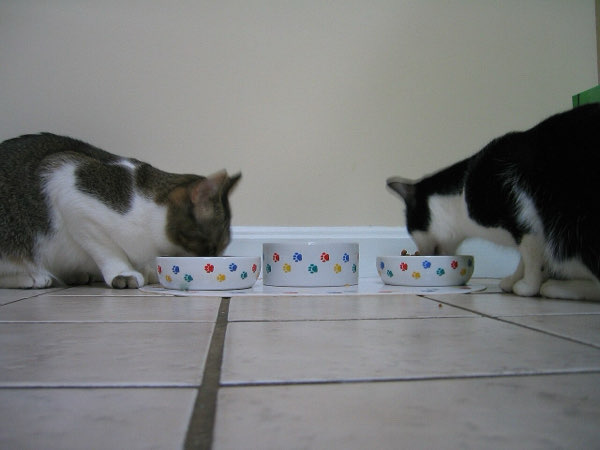
- Encourage drinking. Wet food is an easy way to add water. Offer several water bowls in different places, try a fountain, and keep bowls wide and shallow.
- Track thirst and litter. Clumps in the litter box that are larger or more frequent can be an early sign of increased thirst.
Making home easier for an older cat
Small changes can make a big difference to a senior cat's comfort and independence.
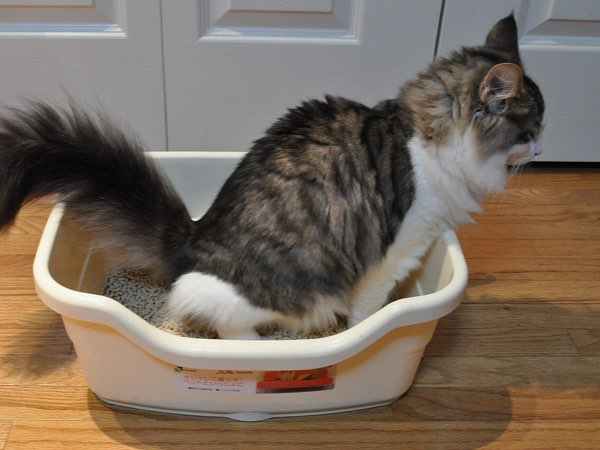
- Litter boxes with a low entry. A box your cat can step into rather than climb into is a game changer for stiff joints. A large plastic storage bin with one side cut low works well. Keep at least one box on each floor of the home, so no one has to make a long trip.
- Steps and ramps. Pet steps, a sturdy footstool or a ramp let your cat keep using favorite spots, such as the bed, sofa or window ledge.
- Non-slip surfaces. Rugs or runners on slick floors help unsteady cats feel secure.
- Warm, soft beds. Older cats often feel the cold. Self-warming beds and fleece blankets are great. If you use a heated pad, choose one designed for pets with a low setting, and make sure your cat can easily move off it.
- Food and water at ground level. Don't make an arthritic cat jump onto a counter to eat. Raised bowls can be more comfortable for some cats.
- More water stations, as above.
- Night lights for cats with fading vision or cognitive changes.
- A predictable routine. Older cats, especially those with cognitive changes, cope best when meals, play and quiet times stay consistent. Avoid rearranging furniture unnecessarily.
- Gentle grooming help. Older cats may struggle to groom their backs and hindquarters. Short, gentle brushing sessions help prevent mats, and older cats' claws can grow thick and overgrown, sometimes curling into their paw pads, so check and trim them more often. See our grooming guide.
Our litter box guide has more ideas for cats who are having trouble with the box.
Keeping an older mind engaged
Senior cats still like to play, explore and hunt, just in shorter and gentler bursts. Mental stimulation is good for older brains.
- Offer short play sessions with a wand toy moved slowly along the floor rather than high in the air.
- Try easy food puzzles, or scatter a few treats for your cat to find.
- Make sure a sunny window perch is reachable.
- Keep up gentle petting, grooming and lap time, if your cat enjoys it.
- Introduce changes slowly. A new pet or a move can be harder on an older cat. Our guide to behavior and enrichment has more ideas.
Quality of life and saying goodbye
This is the hardest part of loving a cat, and there is no single right way to approach it. Many senior cats live comfortably for years with well-managed chronic conditions. Eventually, though, most owners face questions about when treatment is still helping and when it's time to focus purely on comfort.
Some things that can help:
- Talk openly with your veterinarian early, before a crisis. Ask what to expect with your cat's conditions, what signs suggest your cat is suffering, and what comfort-focused care is available.
- Keep a simple diary. Many people mark each day as good or bad, noting appetite, grooming, mobility, interest in family and enjoyment of favorite things. When bad days begin to outnumber good ones, it's a sign to talk with your vet.
- Consider quality-of-life scales. Your veterinarian can share tools that walk you through pain, appetite, hydration, hygiene, mobility, happiness and more.
- Know that palliative and hospice care exist. Some veterinary practices offer home visits for comfort care and for euthanasia, which some families and cats find less stressful.
Euthanasia is a final act of care that allows a cat to pass peacefully, without pain or fear. Choosing it is never easy, and many people worry about acting too soon or too late. Your veterinarian can help you think it through, and there is no shame in asking for that help.
Grief for a cat is real grief. Give yourself time, and remember that other pets in the home may also notice the loss and need extra attention. Many veterinary schools and humane organizations run pet loss support lines, and your veterinary team can usually point you to one.
Key takeaways
- Cats over about 10 are generally considered seniors; schedule checkups every six months or as your vet advises.
- Kidney disease, hyperthyroidism, diabetes, arthritis, dental disease, high blood pressure and cognitive changes are common, and many are very manageable when caught early.
- Weight loss and increased thirst are never just old age. Weigh your cat monthly.
- Cats hide pain. Reluctance to jump, poor grooming and litter box changes often mean discomfort that can be treated.
- Never give human pain medication. Acetaminophen can kill a cat.
- Low-entry litter boxes, steps, warm beds, extra water stations and a steady routine make daily life easier.
- Talk with your vet about quality of life early, while there's time to plan.