On this page
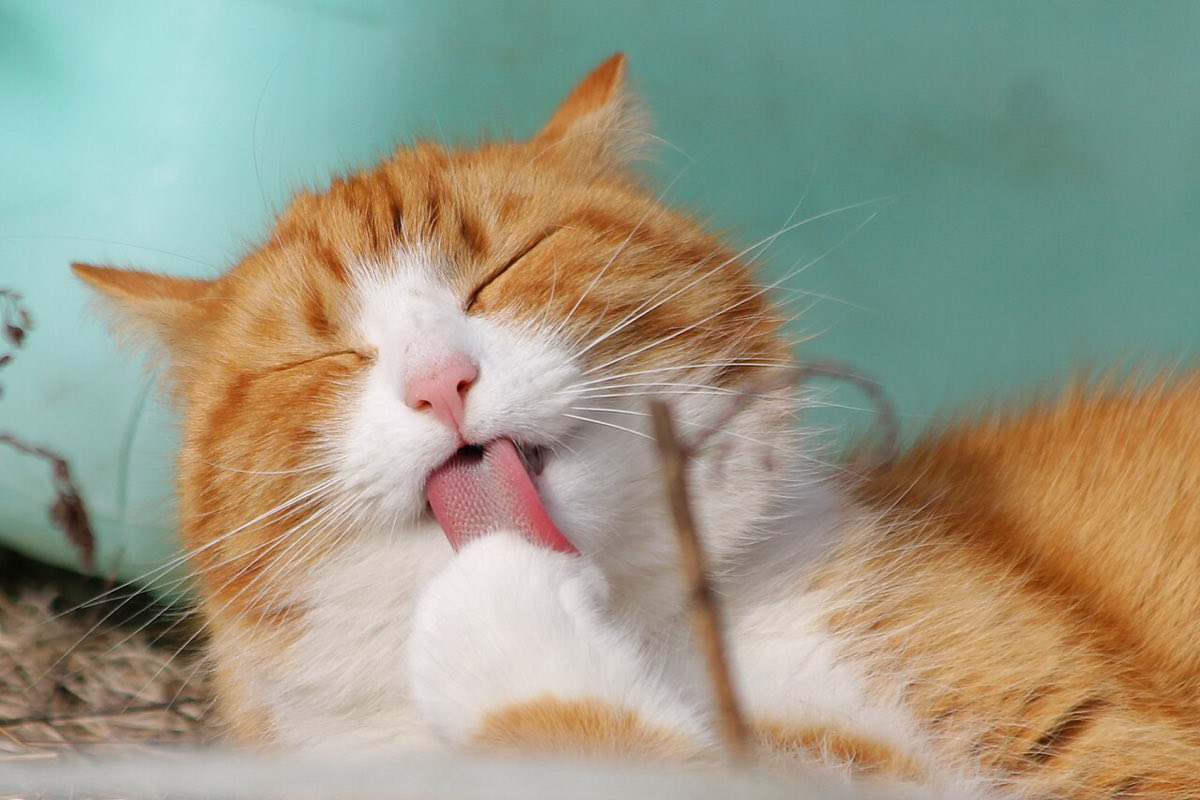
Cats are famously good at keeping themselves clean. A healthy adult cat can spend a large part of their waking hours grooming. So why bother brushing a cat at all?
Because a little help goes a long way. Brushing removes loose hair before your cat swallows it, prevents painful mats in longer coats, and spreads natural oils through the fur. Just as important, a regular grooming session is a hands-on health check. It is how many owners first find a lump, a scab, fleas, a sore tooth or a change in weight. And for many cats, gentle grooming is a pleasant way to spend time with their person.
How often to groom: a guide by coat type
How much grooming your cat needs depends mostly on their coat. These are broad guidelines. Individual cats vary, and needs increase during seasonal shedding, usually in spring and fall.
| Coat type | Typical breeds | Brushing | Notes |
|---|---|---|---|
| Short coat | Domestic shorthair, American Shorthair, Siamese | About once a week | More often during heavy shedding |
| Dense short coat | British Shorthair, Russian Blue | Once or twice a week | A comb reaches the thick undercoat better than a soft brush |
| Semi-long coat | Maine Coon, Ragdoll, Norwegian Forest Cat, Birman | Two or three times a week | Watch the armpits, belly and back legs for mats |
| Long, fine coat | Persian | Daily | Mats form fast; many owners also use a professional groomer |
| Curly or rex coat | Devon Rex | Light, occasional | Delicate coat; a soft brush, a grooming mitt or your hand is enough |
| Hairless | Sphynx | None | Needs regular bathing or wiping to remove skin oils |
Grooming tools and technique
You don't need a drawer full of gadgets. A few well-chosen tools cover most cats:
- A stainless steel comb with wide and fine teeth. This is the single most useful tool for medium and long coats. It shows you where tangles are starting and reaches all the way to the skin.
- A rubber brush or grooming mitt. Great for short coats and for cats who are new to grooming, because it feels like petting.
- A slicker brush (fine wire bristles) for removing loose undercoat in medium and long coats. Use a light touch; pressing hard can scratch the skin.
- A deshedding tool, used gently and not too often, can help heavy shedders during seasonal molts. Stop if your cat seems uncomfortable.
- Cat nail clippers. Scissor-style clippers made for cats are easy to control. Small human nail clippers work on some cats too.
- Styptic powder or cornstarch, in case you nick a nail.
- A soft cloth or cotton pads for wiping eyes and the outer ear.
- A cat toothbrush and cat toothpaste. See the dental section of our health guide.
Making grooming pleasant
A cat who enjoys grooming is far easier to care for over a lifetime, and it is worth investing in those early sessions. Kittens who are handled gently and briefly from a young age usually accept grooming best, but adult cats can learn too.
- Pick a calm moment, such as after a meal or when your cat is already relaxed and sleepy, not when they are in the mood to play.
- Start where your cat likes being touched, usually the cheeks, chin, head and back. Work up to trickier areas like the belly, legs and tail over time.
- Keep sessions short. A minute or two is plenty at first. Stop while your cat is still enjoying it.
- Reward generously with treats, praise or a short play session afterward.
- Watch for "that's enough" signals: a twitching or lashing tail, skin rippling on the back, ears turning sideways or flattening, a head turning toward your hand, or a sudden stillness. Stop before you get a swat.
If your cat suddenly starts objecting to being touched in a particular spot, consider that it might hurt. Sudden sensitivity, especially along the back or hips in an older cat, is worth mentioning to your veterinarian.
Mats and tangles
Mats are clumps of tangled hair that form when loose undercoat gets trapped. They develop most often in areas where fur rubs, such as behind the ears, in the armpits, along the belly, under the collar and on the back of the thighs. Mats are not just cosmetic. They pull on the skin, which is painful, and they can trap moisture and hide skin infections or parasites.
Small, loose tangles can often be worked out gently:
- Hold the hair at the base of the tangle, between the mat and the skin, so you don't tug on your cat's skin.
- Tease the tangle apart with your fingers or the end tooth of a comb, starting from the outer tip and working inward a little at a time.
- Comb through once it loosens. Keep sessions short and stop if your cat is uncomfortable.
The best way to deal with mats is to prevent them. Regular combing, with extra attention to the friction areas, stops most tangles before they tighten. If your cat's coat has suddenly started matting when it didn't before, that can be a sign they are no longer grooming well, which is worth a vet check.
Trimming nails
Indoor cats usually need their nails trimmed every few weeks. Regular trims make scratches less painful for you, reduce damage to furniture, and prevent nails from catching in fabric. Senior cats need particular attention, because their nails often become thick and overgrown, and can grow around and into the paw pad, which is painful and can become infected. Check older cats' nails at least once a month.
How to trim
- Get comfortable. Sit with your cat in your lap facing away from you, or wrapped loosely in a towel if they are wriggly. Good light helps.
- Extend the claw by gently pressing the top and bottom of the toe.
- Find the quick, the pink area inside the nail that contains blood vessels and nerves. In clear nails, it is easy to see. In dark nails, take off less.
- Trim only the sharp, curved tip, well in front of the quick, with a single clean cut.
- Don't forget the dewclaws, the small claws on the inner side of the front legs, which don't wear down on their own.
- Reward your cat. If they have had enough after one paw, or even one nail, that is fine. You can do the rest tomorrow.
If you accidentally cut into the quick, the nail will bleed. Stay calm, press a pinch of styptic powder or cornstarch onto the tip, and hold gentle pressure for a minute or so. Most minor bleeding stops quickly. Call your vet if it doesn't stop within a few minutes.
If trimming at home isn't working, your veterinary clinic or a cat groomer can do it, and many will show you how. Scratching posts help keep nails in condition between trims, and our behavior and enrichment guide explains how to get cats to use them.
A note on declawing: declawing is not a grooming procedure. It is the surgical amputation of the last bone of each toe, and the American Association of Feline Practitioners strongly opposes it as an elective procedure. Regular nail trims, good scratching posts and, for some cats, soft nail caps applied by a vet or experienced owner are humane alternatives.
Ears and eyes
Ears
Take a quick look inside your cat's ears every week or so. Healthy ears are pale pink inside, with little or no wax and no strong smell. Most cats never need their ears cleaned. If there is a little visible dirt on the inner ear flap, wipe it gently with a cotton pad, dampened with an ear cleaner made for cats if your vet recommends one.
Never push cotton swabs, or anything else, into the ear canal. It can pack debris deeper and injure the eardrum. See your veterinarian if you notice:
- Dark, crumbly debris that looks like coffee grounds, a common sign of ear mites
- Redness, swelling, discharge or a bad smell
- Frequent head shaking or scratching at the ears
- A head tilt, loss of balance, or a soft swelling of the ear flap
Eyes
Healthy eyes are bright and clear, with no redness or squinting. A small amount of dry crust in the inner corner is normal and can be wiped away with a soft cloth or cotton pad dampened with warm water. Use a fresh pad for each eye and wipe away from the eye.
Flat-faced breeds such as Persians often have tear overflow and need their eyes wiped daily to prevent staining and skin irritation in the folds around the nose.
Call your veterinarian promptly if your cat is squinting, has a lot of discharge, red or cloudy eyes, a visible third eyelid (a pale membrane covering part of the eye), or keeps one eye closed. Eye injuries and sudden changes in the eye are urgent, because eye conditions can get worse quickly.
Do cats need baths?
Most cats never need a bath. Their self-grooming keeps their coat clean, and many find bathing very stressful. There are some exceptions:
- Hairless and near-hairless cats like the Sphynx need regular baths, often weekly or as their skin needs, because the oils their skin produces have no fur to absorb them.
- Cats who can't groom themselves well, such as some senior, arthritic or overweight cats, may need help keeping their back end clean.
- Long-haired cats sometimes get a soiled rear. A "sanitary trim" of the fur around the bottom by a groomer or vet can help.
- A cat who gets something on their coat, such as oil, paint, a chemical, or a product meant for dogs.
If you do need to bathe your cat, use a shampoo made for cats. Never use dog flea shampoos, which may contain ingredients toxic to cats, or products containing essential oils. A sink or basin with a few inches of lukewarm water, a non-slip mat, a cup or gentle sprayer for rinsing, and a warm towel make it easier. Keep water out of the ears and eyes, rinse thoroughly, and keep your cat warm while they dry. For small messes, spot cleaning with a damp cloth or unscented pet wipes is often enough.
Hairballs
When cats groom, their barbed tongues pull out loose hair, and most of it passes through the digestive system. Sometimes hair collects in the stomach and comes back up as a hairball, a tube-shaped clump of fur. An occasional hairball can be normal, especially in long-haired cats and during heavy shedding.
Regular brushing is the best way to reduce hairballs, because every bit of hair on the brush is hair your cat doesn't swallow. Your veterinarian may also suggest a hairball diet or a hairball remedy for some cats. Ask before using one.
Frequent hairballs are not something to accept as normal. Talk to your veterinarian if:
- Your cat brings up hairballs more than once or twice a month, or vomits regularly for any reason. This can be a sign of digestive disease, and should be investigated.
- Your cat retches or gags repeatedly without bringing anything up.
- Your cat seems to be "trying to cough up a hairball" but nothing comes out. Coughing can look very similar, and it can be a sign of asthma or other lung problems.
- Vomiting comes with lethargy, loss of appetite, constipation or diarrhea. Together, these can mean a blockage, which is urgent.
Grooming senior and overweight cats
Older cats, arthritic cats and cats carrying extra weight often find it hard to reach parts of their body, especially the lower back, the base of the tail and the hindquarters. You may notice greasy, clumped or flaky fur over the lower back, mats that have never been a problem before, or a dirty rear.
- Brush gently and more often, using a soft brush or a comb, and support your cat on a soft surface.
- Be careful around bony areas like the spine and hips, which may be sore.
- Keep nails trimmed, since older cats scratch less and nails overgrow more easily.
- Spot clean the rear as needed, and ask your vet or groomer about a sanitary trim.
An unkempt coat in an older cat is often a sign of pain, illness or reduced mobility rather than just aging, so it is worth raising with your veterinarian. Our guide to caring for senior cats has more on keeping older cats comfortable.
Overgrooming and other warning signs
Changes in grooming are one of the clearest windows into a cat's health. Watch for:
- Overgrooming: bald or thinning patches, short stubbly fur, broken hairs, or red skin, often on the belly, inner thighs, flanks or front legs. Because cats often groom in private, you may notice the hair loss before you see the licking.
- Undergrooming: a dull, greasy, matted or dandruffy coat in a cat who used to keep themselves neat.
- Scabs, lumps, sores or flaky skin that you find while brushing.
Overgrooming has many possible causes, including fleas, allergies, skin infections, parasites and pain. Some cats lick over a painful area, such as the belly in a cat with bladder pain. Stress can also play a role, but it is important to rule out medical causes first. Undergrooming often points to pain, arthritis, dental disease, obesity or illness. In either case, start with a visit to your veterinarian.
Key takeaways
- Brush short-coated cats about weekly and long-coated cats several times a week or daily, more during shedding seasons.
- A steel comb, a rubber brush and cat nail clippers cover most grooming needs.
- Keep sessions short and positive, and stop at the first signs your cat has had enough.
- Never cut mats out with scissors. Ask a groomer or your vet.
- Trim nails every few weeks, and check senior cats' nails monthly.
- Never put cotton swabs in a cat's ears. Dark debris, odor or head shaking need a vet.
- Most cats don't need baths, but hairless breeds do, and toxic substances on fur need urgent advice.
- Frequent hairballs, regular vomiting and changes in grooming habits are reasons to see your veterinarian.