Bengal at a glance
- Origin
- United States; from crosses with the Asian leopard cat
- Size
- Medium to large; muscular
- Typical weight
- About 8–15 lb
- Coat
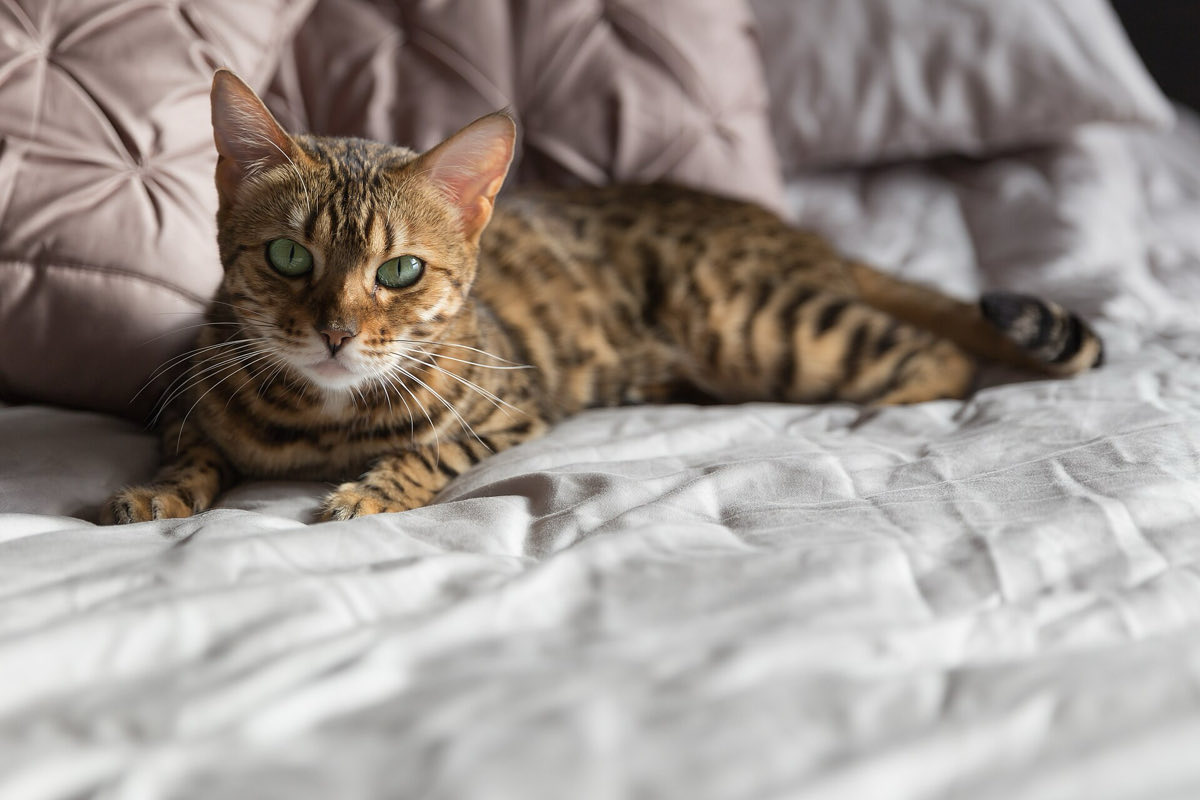
- Short, dense and soft, often with a glittery sheen
- Colors
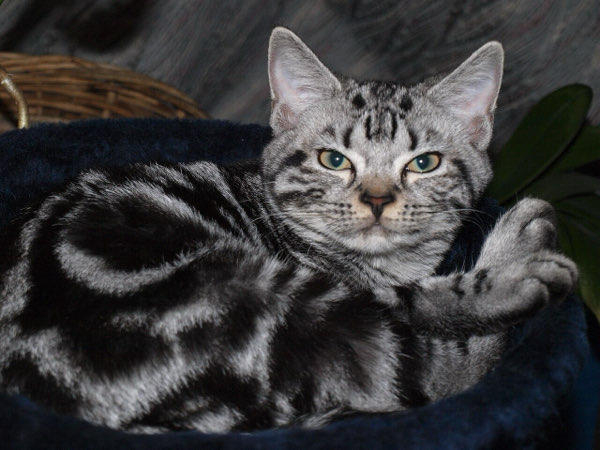
- Spotted or marbled patterns in brown, snow and silver
- Life expectancy
- Commonly 12–16 years
- Grooming needs
- Low
- Activity level
- High
On this page
Origin and history
The Bengal was developed in the United States from crosses between domestic cats and the Asian leopard cat (Prionailurus bengalensis), a small wild cat found across much of South and East Asia. Breeding programs in the 1970s and 1980s, with the breeder Jean Mill a central figure, aimed to create a domestic cat with the look of a wild one. The International Cat Association (TICA) was the first major registry to accept the breed, and it is now recognized by many associations worldwide.
Bengals are described by generation. Cats in the first few generations after a wild ancestor (often called F1, F2 and F3, or "foundation" generations) are closer to the leopard cat and are generally not kept as ordinary pets. The Bengals sold by most breeders as companions are several generations removed from any wild cat and are domestic cats in every practical sense.
Appearance
Bengals are muscular, athletic cats with a long, sturdy body, hind legs slightly longer than the front, and a thick tail with a rounded tip. The head is a broad, modified wedge with a strong muzzle, prominent whisker pads and relatively small ears.
The coat is short, dense and unusually soft, often described as feeling more like a pelt than ordinary fur. Many Bengals have "glitter," a sheen that makes the coat look dusted with gold or silver. There are two patterns:
- Spotted, including rosettes (two-toned spots with a darker outline), as on a leopard or jaguar.
- Marbled, with swirling, horizontal patterns.
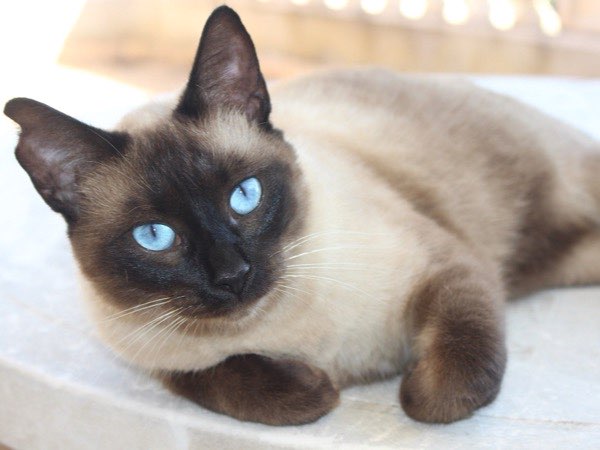
Accepted colors vary by registry but commonly include brown, the "snow" colors (cream or ivory backgrounds, often with blue or aqua eyes) and silver.
Temperament
Bengals are intelligent, confident, curious and very energetic. They love to climb, leap, explore and investigate, and many are fascinated by water: playing in dripping taps, dunking toys in water bowls, or even joining their people in the shower. They learn quickly, which makes them great candidates for clicker training, harness walking and puzzle toys, and equally quick to learn how to open doors and drawers.
Most Bengals are affectionate and enjoy their people's company, but often on the move rather than on a lap. Many are vocal, with a wide range of chirps and calls. A Bengal without enough to do will usually find its own entertainment, which might include knocking things off shelves, raiding cupboards or ambushing ankles. Introducing a Bengal to other pets takes patience; they can be boisterous with calmer cats.
Care needs
Exercise and enrichment are the main job. Plan on at least two or three active play sessions a day using wand toys that let your cat run, leap and pounce. Add tall, sturdy cat trees and wall shelves, rotating toys, food puzzles and, if possible, a secure catio or window perch. Some Bengals enjoy an exercise wheel designed for cats. Our guide to behavior and enrichment has more ideas.
Safe outdoor time. Bengals are strong hunters and climbers. Most owners keep them indoors with supervised harness walks or a secure enclosure; see indoor versus outdoor.
Grooming. The short coat needs little more than a weekly brush or wipe with a grooming mitt. Regular nail trims and toothbrushing are worthwhile, as for any cat.
Diet. Feed a complete, balanced commercial diet appropriate for life stage. Some Bengals seem to have sensitive digestion, so make food changes gradually.
Health considerations
Conditions known to occur in Bengals include:
- Hypertrophic cardiomyopathy (HCM). There is no single DNA test for HCM in Bengals, so responsible breeders screen breeding cats with echocardiograms by a veterinary cardiologist.
- Progressive retinal atrophy (PRA). A Bengal-specific form of inherited vision loss has been identified, and a DNA test is available.
- Pyruvate kinase deficiency. An inherited condition that causes anemia. A DNA test is available.
- Digestive problems. Chronic soft stools or diarrhea are a common complaint in Bengals and can have several causes, including intestinal parasites picked up in crowded catteries. Persistent diarrhea always deserves a veterinary workup rather than repeated diet changes alone.
Ask any breeder for DNA test results and heart screening records for both parents, and see our health guide for general warning signs.
Who the Bengal suits
A Bengal suits experienced, active cat people who want an interactive, trainable companion and have the time, space and creativity to keep it busy every day. It can be a great fit for households where someone is home much of the time, or where there's a second energetic cat for company.
It is a poor choice for anyone hoping for a calm lap cat, for people away from home most of the day, or for homes full of fragile, breakable things. If you love the spotted look but not the energy level, consider meeting adult Bengals in a breed rescue, where you can see a cat's real personality before you commit.